


Advanced Techniques for Detecting Pool Water Leakage
Water leakage in swimming pools presents a multifaceted challenge. Not only does it lead to water loss, but it also increases the consumption of pool chemicals and can potentially damage both the interior of the pool and the surrounding area over time. Addressing this issue effectively stops water leakage and can result in significant cost savings.
Indicators of Water Leakage in Pools
Signs such as cracks, bulges, or swellings in the pool lining.
Wet spots in areas that should remain dry.
Collapsed areas or discoloration of soil around the pool.

Methods to Detect Pool Leakage
1. Visible Water Loss: A reduction in water levels beyond expected evaporation or usage can indicate a leak. This should be monitored both in the pool and, if applicable, in overflow tanks and skimmers.

2. Bucket Test: To differentiate between normal evaporation and leakage, conduct a simple bucket test. Fill a bucket with water, place it on a stable surface near the pool, and mark the water levels both inside and outside the bucket. After 24-48 hours, compare the water levels. If the pool water level has decreased more than the water inside the bucket, it suggests a leak.
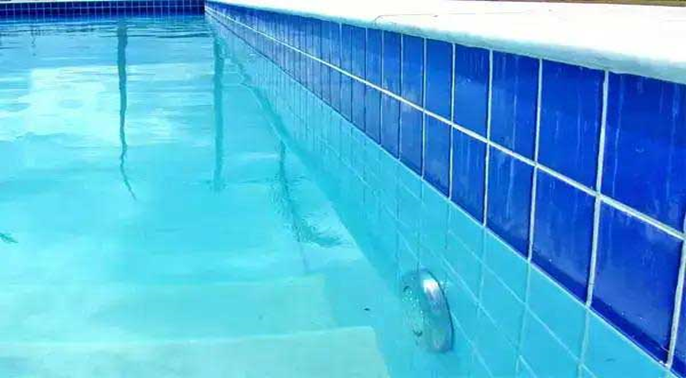
3. Wet Spot Inspection: Wet spots in the pool's machine room, galleries, or on the pool walls can indicate insulation issues or minor leaks.
4. Pool Equipment and Plumbing Check: Inspect connections of pool equipment like pumps, filters, and heaters. Faulty connections or improperly sealed pipe joints can be sources of leaks. Special attention should be given to plumbing embedded in concrete, as damages here can be significant yet less visible.

5. Condition of the Pool's Concrete Structure: The structural integrity of the pool's concrete bowl is crucial. Improperly constructed concrete or inadequate reinforcement can lead to cracks and leaks, even with proper insulation.

6. Pool Insulation Integrity: Following the concrete structure, the pool's insulation layer is critical in preventing leaks. Faults in insulation, especially around plumbing fixtures, can lead to leaks. Insulation continuity is essential; any gaps or breaks must be repaired.

7. Dye Test: This test involves adding a non-toxic dye near suspected leak areas with the pool’s filters and jets turned off. If the dye moves towards a specific area, it indicates a leak at that point.
8. Distinguishing Evaporation from Leakage: Regular monitoring of water levels is essential, especially in conditions that accelerate evaporation, like windy or hot weather. Rapid decreases in water level could indicate a leak.

9. Pressure Testing: Pressure testing in the pool's plumbing can help locate leaks within the system.
10. Acoustic Testing: Unusual noises can sometimes indicate a leak. Advanced acoustic listening devices can be used to detect the sound of escaping water and pinpoint its source.
11. Camera Inspection: Specialized cameras can be deployed to inspect underwater plumbing and structures, identifying the source of the leak.
12. Thermal Imaging: Thermal cameras can detect changes in temperature caused by leaking water, aiding in locating the leak.
13. Professional Leak Detection Services: If the aforementioned methods do not reveal the source of the leak, or if the situation is complex, seeking assistance from professional pool service companies is recommended.
Conclusion
Detecting and repairing pool leaks is crucial for maintaining the longevity and safety of the pool, as well as for ensuring efficient use of resources. By employing these advanced techniques, pool owners can effectively identify and address water leakage issues, thereby safeguarding their investment and enjoying a pristine pool experience.


Comments